Signs Your Pool Is Leaking (and How to Tell It From Evaporation)
Every pool loses some water. Here is how to tell normal evaporation from a leak worth chasing.
October 20, 2026 · 3 min read
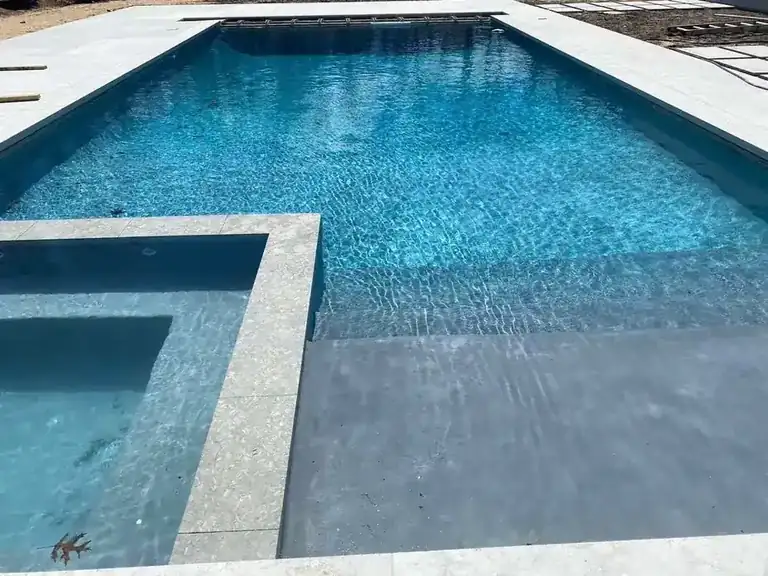
Every outdoor pool loses water. Sun, wind, splash-out and swimmers all take a little, and on a hot, breezy August week the level can drop more than you expect. The trouble is that a slow leak looks a lot like evaporation until the damage is already underway. Telling the two apart early saves the ground around your pool, your equipment and a good deal of wasted water.
Start with the bucket test
The bucket test is the oldest trick in the trade, and it works because it compares your pool with a bucket sitting in the same sun and wind. Fill a bucket with pool water, then set it on a pool step so the water inside the bucket sits at about the same height as the water outside. Mark the water level on the inside of the bucket and the level on the outside of the bucket with tape or a marker. Turn off any auto-fill, and leave everything alone for a day.
Now compare. If the pool dropped about the same amount as the bucket, you are looking at evaporation. If the pool dropped noticeably more than the bucket, water is going somewhere it should not. Run the test again with the pump running, then once more with the pump off. If the loss is bigger when the pump runs, the trouble is likely in the plumbing under pressure. If the loss is the same either way, think shell, skimmer or fittings.
Where pools usually leak
Leaks tend to hide in the same handful of places. Knowing the list helps you describe what you are seeing when you call someone.
- The skimmer, where the throat can pull away from the deck or the pool wall.
- Return fittings, where water comes back into the pool through the wall.
- Light niches, where the fixture, its gasket and the conduit all meet the shell.
- Plumbing lines, especially joints and fittings buried under the deck.
- Vinyl liners, which can tear at seams, fittings or after a puncture.
- The shell itself, where a crack in a gunite pool can open slowly over the years.
Plumbing and fittings account for a lot of trouble because they carry water under pressure all season. Ground movement from freeze and thaw cycles also pulls on joints, which is one reason Long Island pools often show problems after a hard winter.
Other clues that point to a leak
The level is not the only sign. Watch for soft, soggy or sunken ground near the pool or along the plumbing run, especially when the weather has been dry. Look at the deck and coping for new cracks or gaps. Tile that is popping off at the waterline is worth a closer look. Notice whether the pump basket is sucking air, whether the pump loses prime, or whether bubbles keep showing up at the returns. An auto-fill that seems to run more than it used to is another quiet giveaway, as is algae that keeps coming back even though your chemistry looks right.
None of these proves a leak on its own. Several together, plus a failed bucket test, usually does.
What a leak detection visit involves
A good detection visit works from the simple to the specific. The technician starts by checking the equipment pad and the visible plumbing, then looks closely at the skimmer, returns, lights and tile line. Dye is often used near suspect spots: a small amount released near a crack or fitting gets pulled toward the opening if water is escaping there. Plumbing lines can be isolated and pressure-tested one at a time to find out which one is losing pressure, and listening equipment can pick up the sound of water escaping from a pipe.
Once the leak is located, the repair depends on the cause. It might be resealing a fitting, replacing a gasket or a light niche seal, patching a crack, replacing a section of line, or repairing or replacing a vinyl liner. A pool repair crew can also handle the tile, coping and deck damage that sometimes comes along with a long-running leak.
Blue Pools & Spa handles pool repair across Suffolk County, including leak detection, pump and filter replacements, tile repair, patching cracks and resurfacing. They are licensed and insured, License: #L006306, and have been working with pools for more than 20 years. If your bucket test says something is wrong, call (631) 599-4175 and schedule an inspection two days in advance for a free estimate.
Blue Pools & Spa LLC, (631) 599-4175
Call (631) 599-4175More articles
Gunite or Vinyl Liner Pool: Which Fits a Suffolk County Yard?
Both make a good pool. The right one depends on your ground, your shape and how you want to spend your weekends.
Opening and Closing a Pool on Long Island: The Season, Start to Finish
A pool season has three parts: a careful opening, steady weekly care and a proper close before the cold arrives.